
Saudi Arabia’s meetings, incentives, conferences, and exhibitions (MICE) sector is no longer just a byproduct of giga-project construction — it is becoming a market in its own right, with its own numbers, its own growth curve, and its own pain points. New industry data puts the Kingdom’s MICE market at USD 3.54 billion in 2026, up from USD 3.22 billion in 2025, with a path to USD 5.65 billion by 2031. For venue managers, PCOs, AV suppliers, and freelance producers, the headline growth rate matters less than what’s actually driving it, where the revenue is concentrated, and which shortages could slow it down.
The Market in Numbers
According to Mordor Intelligence, the Saudi MICE market is forecast to grow at a 9.82% compound annual rate between 2026 and 2031, reaching USD 5.65 billion. Separately, figures reported by Asharq Al-Awsat citing the Saudi Exhibition & Convention General Authority (SCEGA) show the sector growing at close to 10% annually over the past five years, with a direct GDP contribution of roughly SR 10 billion (about USD 2.7 billion). Venue capacity expanded 32% in a single year, across 923 accredited venues nationwide — and more than 50 major exhibitions are scheduled across Riyadh, Jeddah, and Makkah between December 2025 and October 2026 alone.
- Conferences led all event types with 39.05% of 2025 market activity.
- Incentives is the fastest-growing segment, forecast at a 14.83% CAGR through 2031.
- Accommodation generated 33.84% of 2025 revenue, the largest single source.
- Tickets and registration fees are growing fastest among revenue sources, at 16.35% CAGR.
- Corporate clients accounted for 55.92% of participants in 2025, while associations and NGOs are growing fastest at 11.97% CAGR.
What’s Driving the Growth
Three forces stand out. First, Vision 2030’s capital program keeps adding convention-grade venues, hotels, and mixed-use districts built to host large conferences and exhibitions, from giga-projects like NEOM and Qiddiya to heritage-led redevelopment in Diriyah. Second, aviation connectivity is expanding the addressable delegate pool: Saudia carried 37 million passengers in 2025, Riyadh Air is targeting the start of commercial operations in 2026, and King Salman International Airport’s master plan is built around 120 million annual passengers by 2030. Third, entry has gotten simpler — a wider e-visa regime and a 96-hour stopover visa are turning transit traffic into short-stay business travelers and encouraging “bleisure” extensions around conferences in destinations like AlUla and Abha.
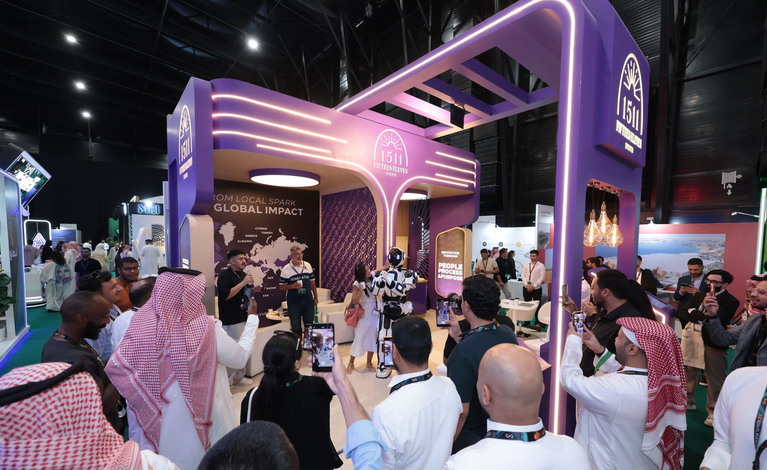
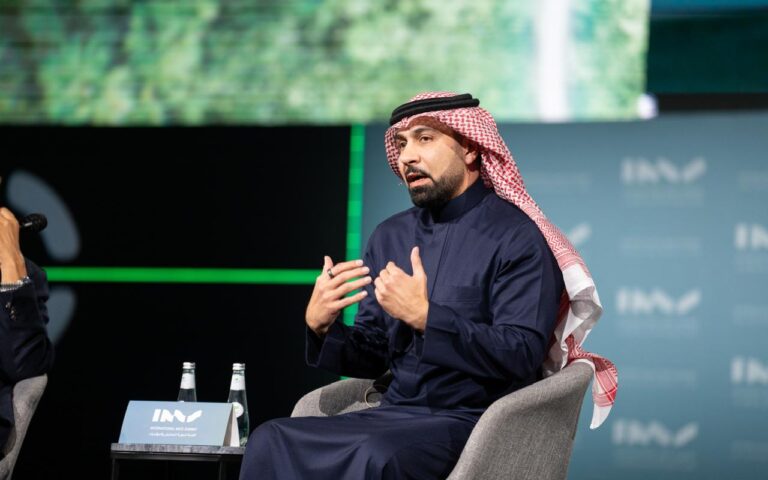
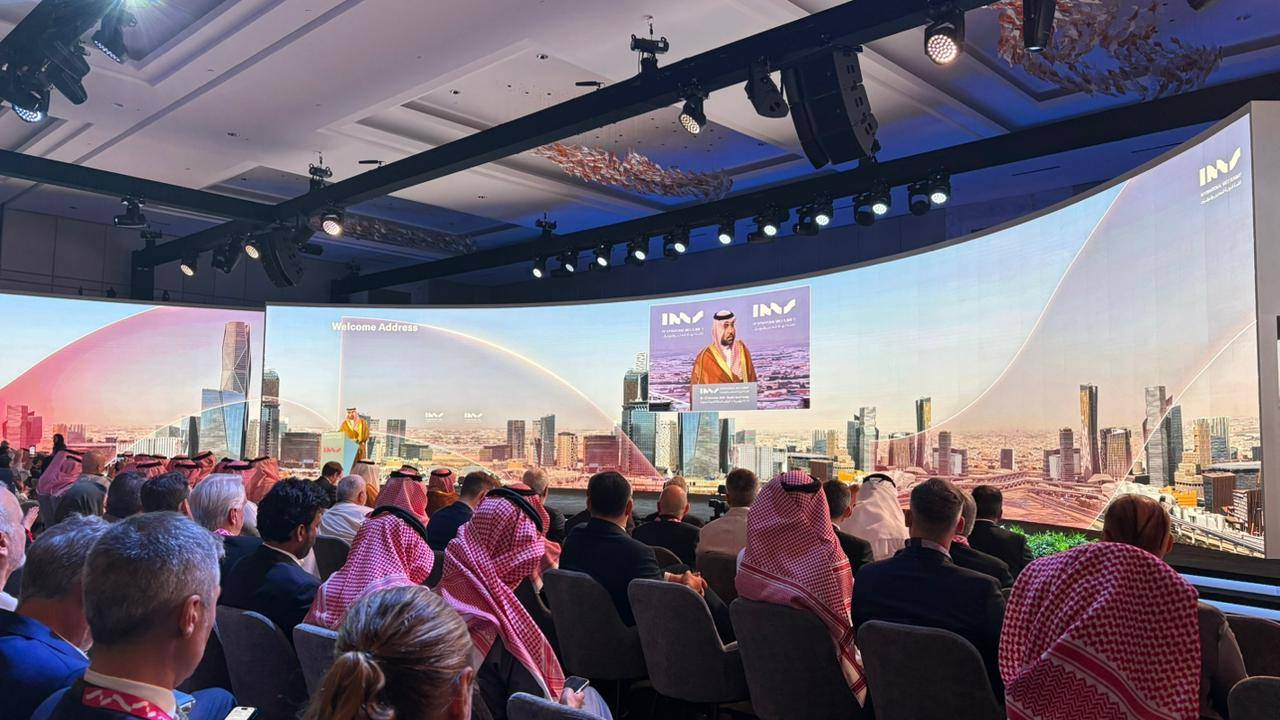
Hotel groups are betting on the same trajectory. IHG marked 50 years in the Kingdom in November 2025 with more than 100 hotels open or in the pipeline, including roughly 1,700 new rooms near Jeddah’s King Abdulaziz International Airport. On the exhibition side, INDEX Saudi Arabia 2025 drew more than 400 exhibitors from 33 countries to Riyadh Front Exhibition & Conference Center, and the International MICE Summit 2025 (IMS25) opened with 20 agreements and MoUs aimed at bringing more global organizers to Riyadh.
Where the Growth Gets Harder
The same reports that show the upside also flag where the market is straining. Four restraints show up consistently:
- A shortage of certified meeting-planning and production talent, most acute in newer destinations like NEOM, AlUla, and Abha, where organizers are leaning on external specialists to fill gaps — at a cost.
- Heavy reliance on expatriate event-industry workers, concentrated in Riyadh, Jeddah, and NEOM.
- Summer seasonality, which still pushes a large share of conferences into the cooler months from late fall through spring, squeezing venue availability in peak windows.
- Limited air connectivity to Tier-2 cities such as AlUla, Abha, and Dammam, which restricts how far events can disperse beyond Riyadh and Jeddah.
What This Means for Industry Professionals
For working professionals, the data points to a few practical implications:
- Incentives and association business are the segments to chase. Both are growing faster than the market average, and both reward operators who can build premium, experience-led packages rather than standard conference logistics.
- Certification and specialized production skills are increasingly a competitive edge, not just a resume line — the talent shortage means credentialed planners and technical crews can command better rates, particularly for giga-project and destination events.
- Shoulder-season and Tier-2 city work is worth building capability for now, ahead of the demand curve, as venues and organizers actively try to redistribute events beyond the traditional winter, Riyadh-Jeddah calendar.
- Revenue diversification is following the market. Ticketing, registration, and sponsorship are growing faster than accommodation-driven models, which is worth factoring into how services and packages are priced.
Sources