
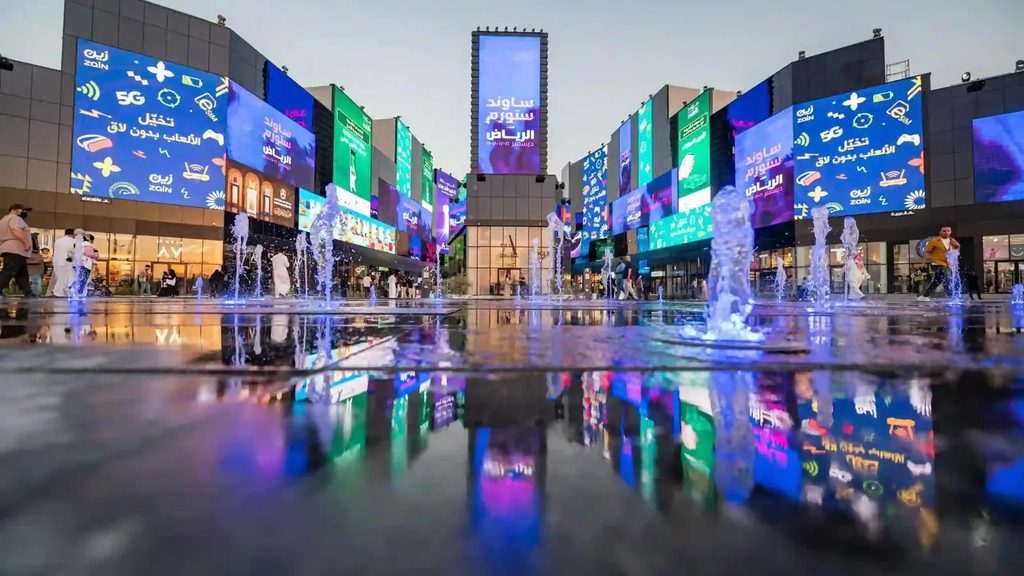
Before the stage is built or the first badge is scanned, every event in Saudi Arabia has already passed through a quieter, less glamorous process: licensing. As the Kingdom’s event calendar keeps expanding, the system that approves those events has become more structured, more digital, and more unforgiving of shortcuts. For project managers, producers, and venue operators, understanding who issues the license — and in what order — is now as central to the job as the run-of-show.
Two Front Doors: GEA and SCEGA
Saudi Arabia splits primary event licensing between two authorities, and picking the wrong one is the single most common — and most costly — error organizers make.
- The General Entertainment Authority (GEA) licenses entertainment activity: concerts, festivals, live shows, and family entertainment. Its regulation defines ten license types across three categories — entertainment venues, entertainment events, and supplier services such as talent management and crowd-control accreditation — all processed through the Tarfeeh portal.
- The Saudi Conventions and Exhibitions General Authority (SCEGA) licenses business events: conferences, trade exhibitions, forums, and corporate conventions, and also certifies the venues that host them.
An event that blends both worlds — a corporate summit capped by a headline performance, for instance — is classified by its primary purpose, with secondary approvals secured for the rest.
Beyond the Primary License: The Parallel Approvals
For any event of meaningful size, the GEA or SCEGA license is only the anchor. Several other approvals typically run in parallel, and some cannot start until others are granted:
- Municipality (Balady platform): an event site permit covering outdoor spaces, temporary structures, stages, and signage, submitted digitally and paid once the local municipality signs off.
- Civil Defense: fire safety inspection and emergency response clearance.
- Ministry of Interior: security clearance for large gatherings, VIP attendance, or international delegations.
- Ministry of Media: review of advertising campaigns and foreign media coverage.
- SFDA and Saudi Customs: clearance for food and beverage service and imported production equipment.
Sequencing these correctly is where experienced local operators earn their fee — some approvals are prerequisites for others, and applying out of order simply restarts the clock.
Timelines and Costs: Plan Backwards From Opening Day
How long licensing takes depends almost entirely on event complexity:
- Small business events: roughly 2–4 weeks.
- Standard conferences and exhibitions: 4–8 weeks, particularly once multiple authorities are involved.
- Large festivals, concerts, and international events: 3–6 months of lead time.
There is no single licensing fee schedule — costs shift with authority, venue, duration, and expected audience size. Beyond the government fee itself, organizers should budget for insurance, municipal charges for public-space use, and safety compliance measures. Licensing fees are typically a small line item against total event budgets; licensing delays are the far more expensive risk.
The Recurring Mistakes That Delay Approval
- Applying to the wrong authority — misjudging the GEA-versus-SCEGA classification.
- Starting too late — underestimating how long multi-authority coordination takes.
- Incomplete documentation — missing safety plans, insurance, or venue confirmation.
- Publishing before content clearance — marketing campaigns released ahead of approval.
- Skipping secondary permits — securing the headline license but missing municipal or Civil Defense sign-off.
- Foreign organizers applying without local standing — no Commercial Registration, no licensed local partner, no valid application.
Every resubmission restarts part of the review clock, so a complete file on the first attempt is worth more than a fast one.
What This Means for Industry Professionals
Licensing is no longer a back-office afterthought — it is a planning input on par with venue and budget. A few practical takeaways for teams operating in the Kingdom’s events market:
- Classify the event’s primary authority — GEA or SCEGA — before venue contracts are signed, not after.
- Build the licensing timeline backwards from opening day, with 3–6 months of runway for large-scale entertainment or international events.
- Treat municipal, Civil Defense, and security approvals as parallel workstreams with their own dependencies, not afterthoughts to the primary license.
- Recurring organizers — agencies and PCOs running multiple events a year — should evaluate organizer-level registration rather than filing one-off permits each time.
- Keep a compliance record clean: past violations or shutdowns follow an organizer into future applications.
Sources
- General Entertainment Authority – GEA Updates Entertainment Licensing Regulation
- Nevora – How to Get an Event License in Saudi Arabia: Complete 2026 Guide
- Balady Platform – Event Site Permit Service
- Setup in Saudi – Events Sector Authorities in Saudi Arabia
- GEA Tarfeeh Portal – Entertainment Event Permit Service